
🧠 13 Ways to Help Your Students Remember Vocabulary
Struggling to help your students keep the words they’ve learned? In this quick, practical post, we walk through 13 science-backed, classroom-tested memory strategies that help ELL learners retain vocabulary more easily and meaningfully. Whether you're working with beginners or advanced students, these techniques can fit right into your routine with little prep and big payoff. 💡 Includes a free printable set of strategy cards you can use for word walls, learning centers, or take-home kits.
TEACHING
Olia Tomski
4/19/20255 min read
Dear teacher,
You ever teach a word on Monday, review it Tuesday, and by Wednesday your students look at you like they’ve never seen it before in their lives?
Yeah, me too.
So I’ve done the deep dive digging through research, speeding through long-form neuroscience lectures (hi, Dr. Huberman), and yes…even braving the academic black hole of YouTube rabbit holes and edu-Twitter threads.
Thankfully, it has nothing to do with motivation or ability. Bad news:
We’re battling something we can’t see:
👉 a brain that’s built to forget unless we teach it how to remember.
Good news:
There are 13 proven ways to beat the forgetting game without adding stress to your day or theirs.
These are the same sneaky strategies I’ve used in real classrooms (and workshops) with real ELLs. Some are backed by science; some came from classroom chaos.
And yes, there’s a free download of printable vocab cards at the end for your bulletin board, game stations, or home packets.
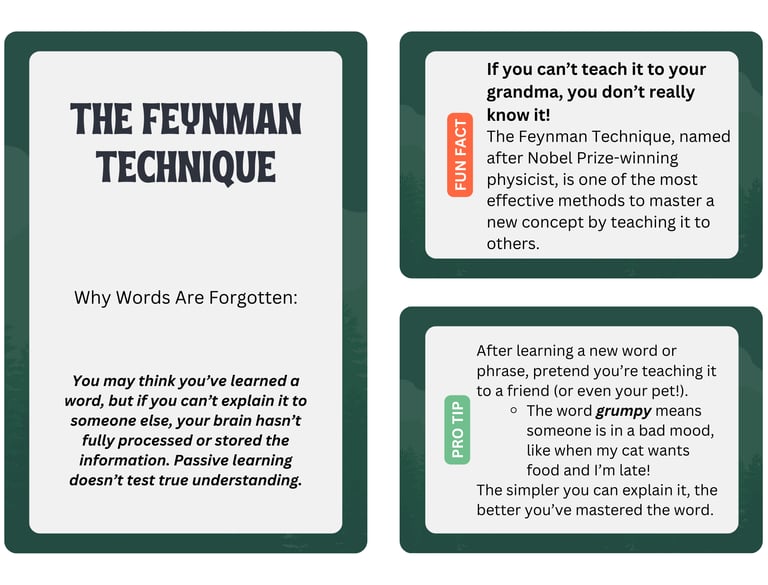
1. Make Them the Teacher (Feynman Style)
If they can teach it, they know it.
“Grumpy? That’s like when my cat doesn’t get fed on time.”
Have students explain new words to a partner, a sibling, or their favorite stuffed animal.
It may feel silly but 100% effective.
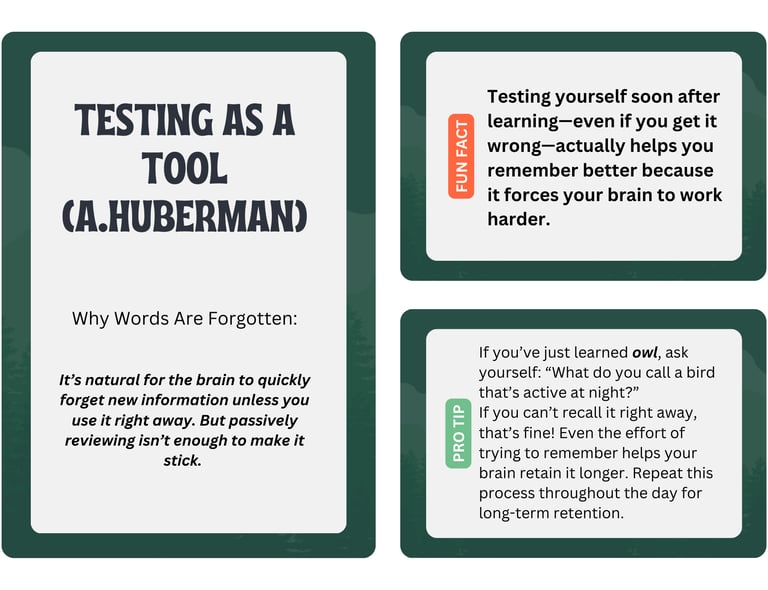
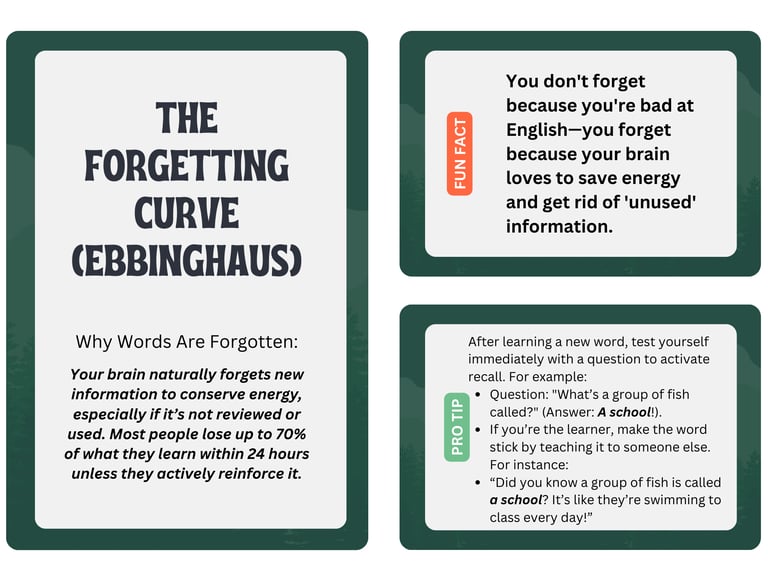
2. Test Right After Teaching (Huberman Says So)
Don’t wait for end-of-unit quizzes.
Teach a new word, then immediately ask a question using it.
The brain loves effort. Even getting the answer wrong builds memory.
3. Context Over Flashcards
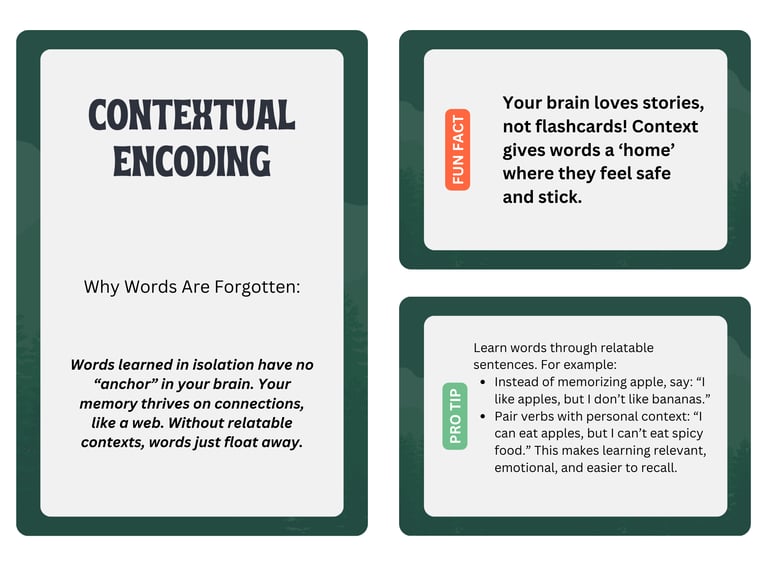
The brain doesn’t like lonely words. It wants stories.
Example:
“I love apples, but I hate bananas.”
Boom—emotion, opinion, memory.
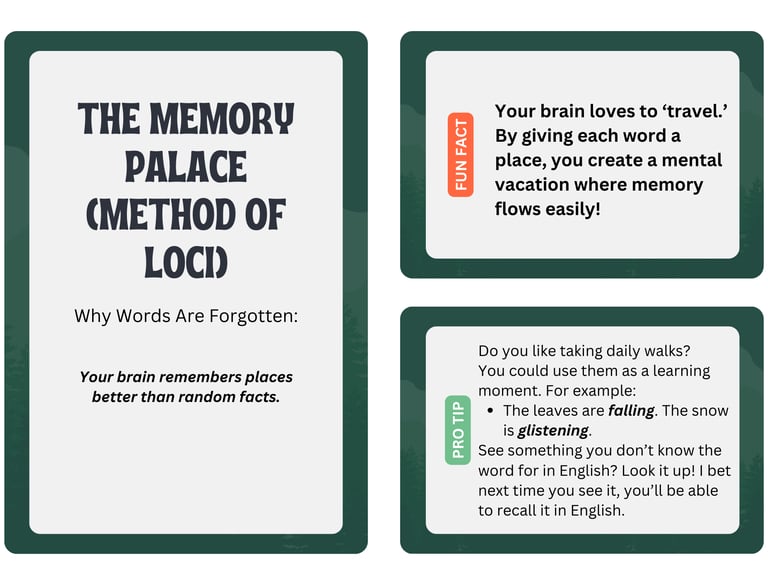
4. Create a ‘Memory Palace’ During Walks
Use places to anchor words.
Learn “glisten” while pointing to snow.
Learn “buzzing” outside by a bee.
Now the world becomes their flashcard.
5. Link Words to Their Daily Routine
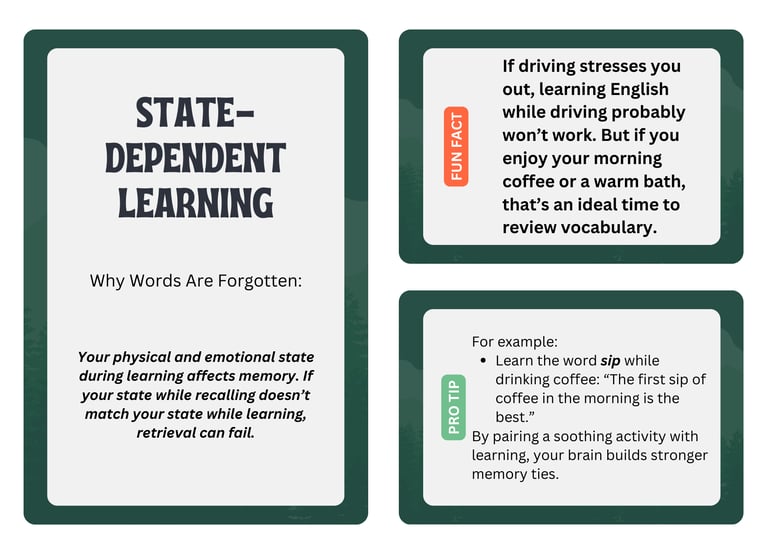
Teach “sip” while they’re sipping coffee.
“Yawn” when they’re actually yawning.
Match the vibe. Match the memory.
(That’s called state-dependent learning.)
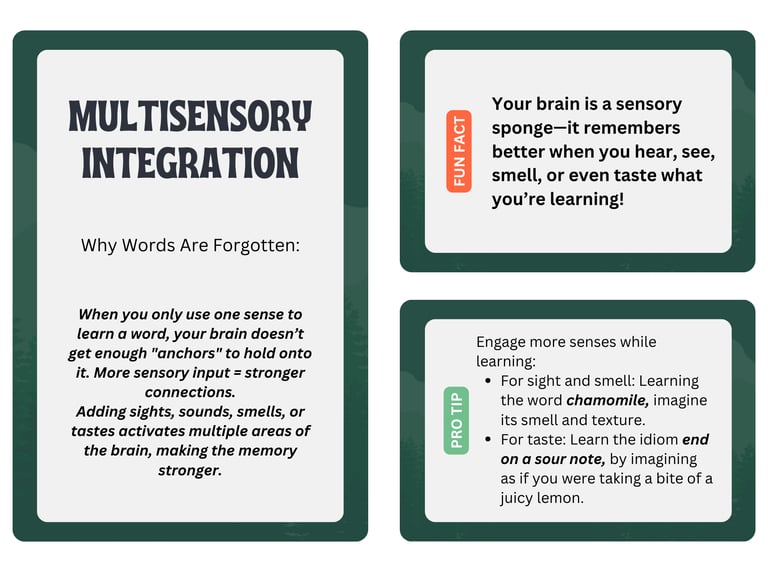
6. Use ALL the Senses
Say it. Act it. Smell it. Draw it.
Teach “sour” with a lemon.
“Soft” with a fuzzy sock.
Memory loves drama, and multisensory input brings it.
7. Leave It Unfinished on Purpose
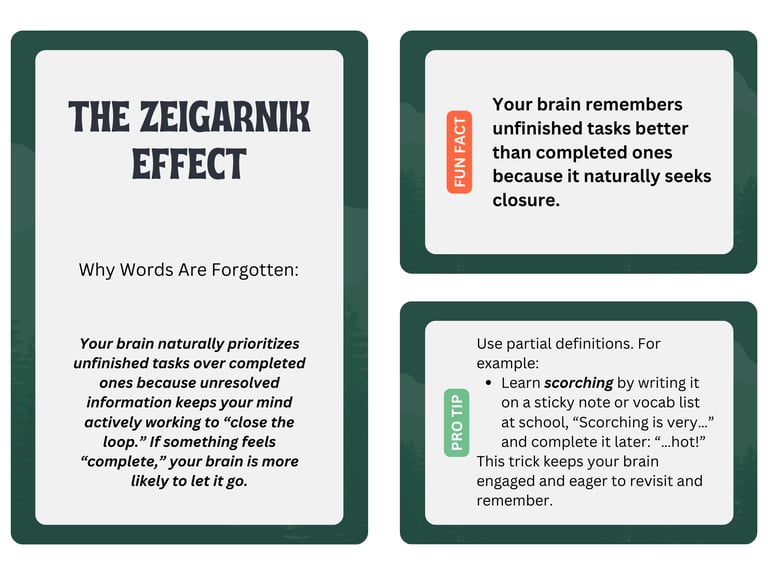
Write “Scorching means very…” and stop.
Let them finish it tomorrow.
The brain hates unresolved loops and remembers them more.
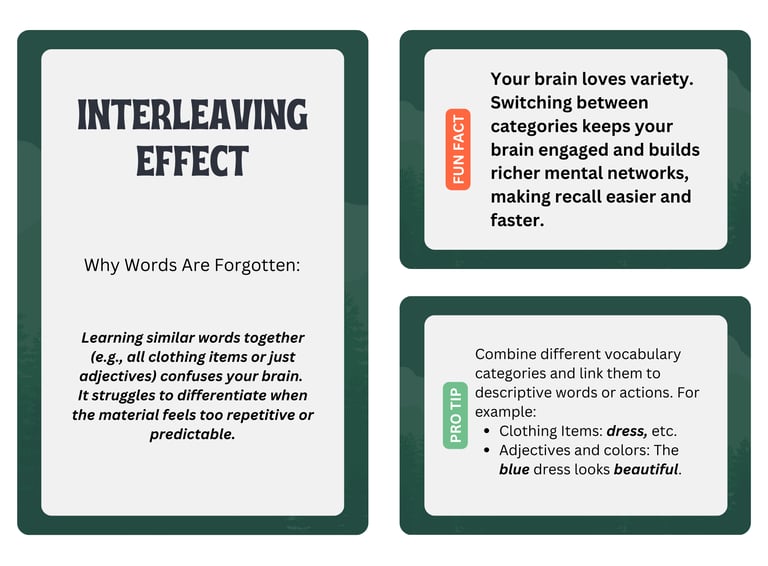
8. Mix, Don’t Group
Teaching 10 fruit words at once? Yawn.
Mix them up with verbs, colors, or idioms.
“The banana is yellow. It bruised. I dropped it. I cried.”
(Okay, maybe don’t cry, but you get it.)
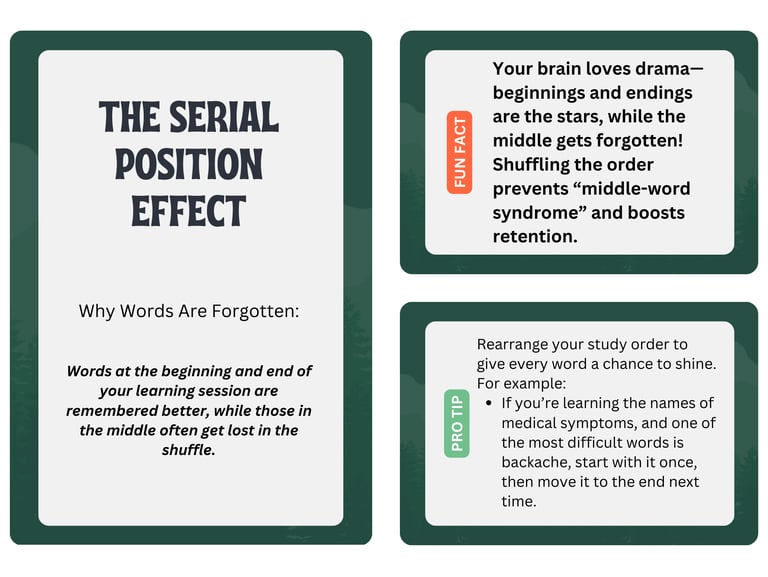
9. Rearrange Word Order to Fight the Middle Fog
Words taught first and last get remembered. Middle ones? Not so much.
So reshuffle lists. Give every word a turn in the spotlight.
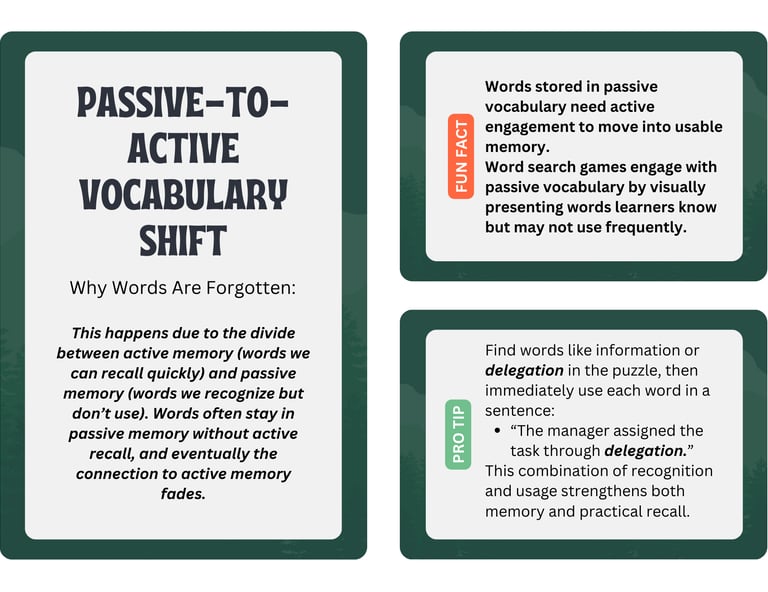
10. Turn Passive Words into Active Ones
Students might recognize “delegation,” but can they use it?
Find the word in a word search, then use it in a sentence:
“My boss used delegation to give me all the work.”
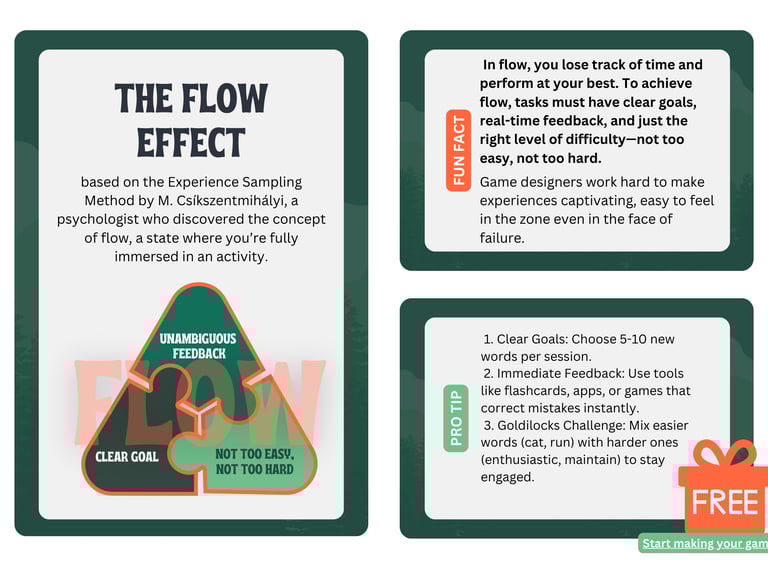
11. Tap Into Flow with Mini Games
Think: short, snappy, and winnable.
Give 5 new words, a challenge timer, instant feedback.
They’ll forget they’re learning and remember the vocab.
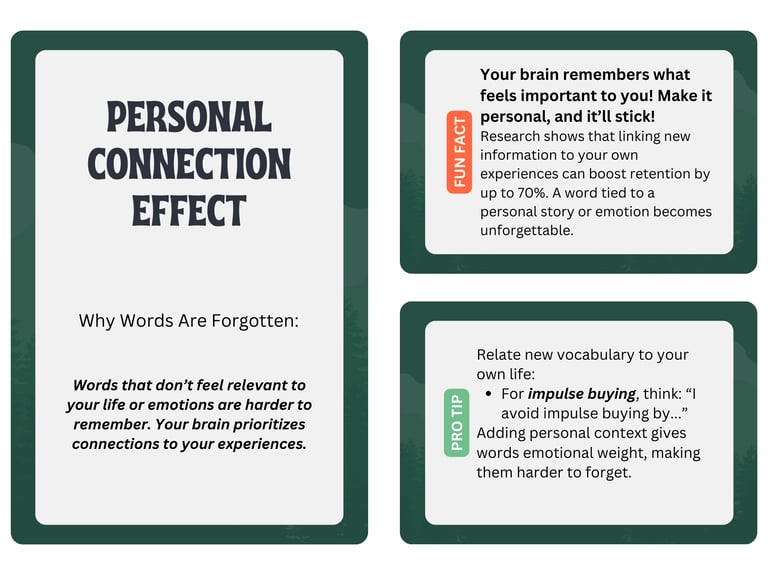
12. Make It Personal or Emotional
A word tied to a real feeling = sticky.
“Impulse buying? Like when I bought 3 notebooks I didn’t need.”
Have them relate it to their lives. Now it’s theirs to keep.
13. Let Them Steal the Strategy That Works for Them
You don’t need to do all 13 at once.
Let students experiment and choose their top 3.
Ownership = engagement. Engagement = memory.
TL;DR for Teachers
Vocabulary doesn’t have to vanish overnight.
With a few simple, brain-friendly techniques, you can help your students hold onto the words they work so hard to learn. These 13 strategies don’t require extra worksheets or hours of prep, just a shift in how we help students connect with language.
And if you’d like ready-to-use visuals for your classroom, small groups, or take-home kits, you’ll find a free printable set of vocab technique cards waiting for you below.

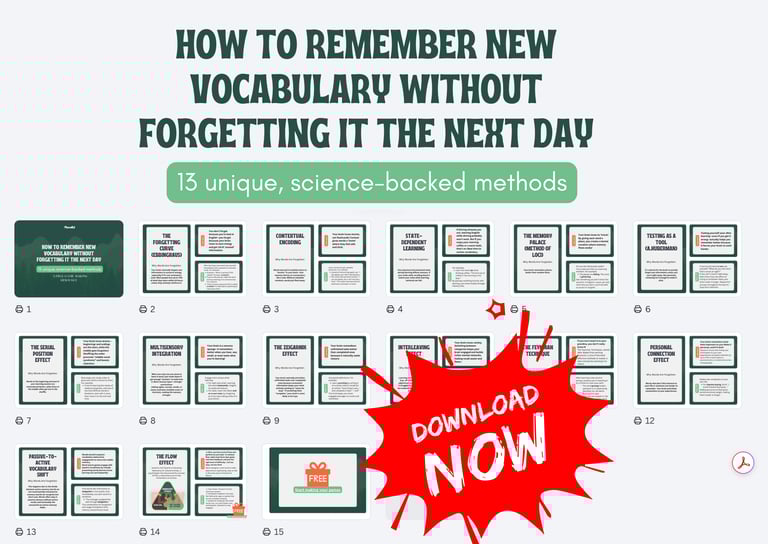
Free Resource
Use this to:
Build your interactive word wall with strategies next to key vocabulary
Slip into plastic sleeves at stations for quick practice without extra prep
Add to language learning centers or pull-out ESL groups
Use as exit ticket challenges—"Pick a strategy and show how you’d remember this word!"
Tape to binder covers or inside folders as go-to reference tools
Create a “strategy of the week” spotlight in your classroom
Hand out during parent-teacher conferences to show how to support vocab at home
Translate into students’ native language for bilingual support materials
Include this ready-made, low-prep, high-impact resource in your sub folder
Use during PD workshops or PLC meetings to share ELL-friendly strategies with colleagues
Build a student vocabulary notebook section dedicated to “How I remember this word”
Kick off group work or jigsaw activities with one technique per group to apply
Post in your Google Classroom or LMS for hybrid/online reinforcement
Turn them into task cards for review games like Scoot, Kahoot warmups, or Quiz-Quiz-Trade
Offer as prizes or pick-your-tool choices in vocabulary games or competitions
Vocabulary Review or Warm-up prompts
Mini-lessons for tutors or para support
Take-home strategy cards for family literacy nights
Fast-finisher folders or early finisher binders
Visual reminders taped to student desks