
Using AI to Help Students Build Better Resumes for Job Fairs
Teach students how to use AI effectively: these prompts help them build authentic, tailored resumes for job fairs, internships, and early-career roles.
AI
Olia Tomski
4/18/20264 min read
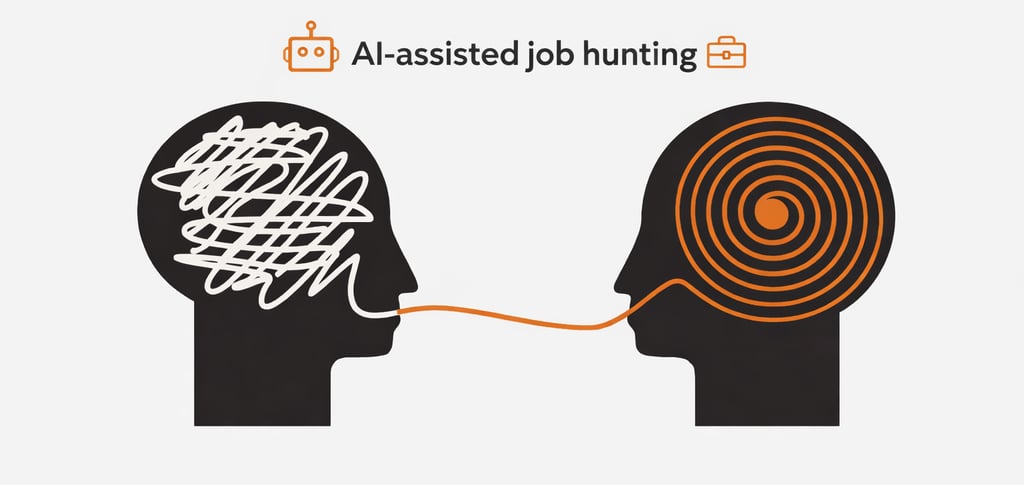
When students get ready for a job fair, a lot of them think they have nothing impressive to put on a resume yet. That’s usually not true. Most students have more experience than they realize. Coursework, class projects, presentations, campus involvement, volunteer work, part-time jobs, leadership roles, caregiving, and personal responsibilities can all reveal useful skills. The problem is not always a lack of experience. The problem is that students do not know how to describe what they have done in a way that makes sense to employers.
Used well, AI can help students identify skills, organize experiences, and turn vague descriptions into stronger resume language. But students need more than “use ChatGPT for your resume.” They need prompts that actually lead somewhere useful.
Below is a set of practical prompts teachers can use with students when preparing for job fairs. They are organized by where students are in their work journey, and they are written with the kinds of jobs many college students are likely to pursue right now in mind: internships, entry-level professional roles, office support, customer-facing jobs, healthcare support roles, education support roles, retail and hospitality roles, and early leadership opportunities.
One important reminder for students: a resume should tell a story about what they are capable of, not just list jobs they have held.
Earlier in the Career Journey
Students who are earlier in their careers often underestimate what counts. These prompts help them pull out real experience from places they might otherwise ignore.
Turn coursework and projects into experience
Classroom work can be more relevant than students think, especially if they are applying for internships, office jobs, tech-adjacent roles, marketing roles, healthcare support positions, or jobs that require organization, communication, and problem-solving.
Try this:
Translate leadership and life experience
A lot of students have done meaningful work outside a formal job. Maybe they led a student club, were a team leader at their tennis club, helped organize events, trained new staff at a part-time job, volunteered, cared for siblings, supported family logistics, or balanced school with work. That experience matters, whether adults have done a good job telling them that or not.
Try this:
Build a strong master resume
Students should not create a brand-new resume from scratch for every application. That is a waste of time and a great way to forget half of what they have done. A better move is to build one strong master resume first, then tailor it.
Try this:
For Students With More Experience
Some students are returning adults, transfer students, military-connected students, career changers, or students who already have years of work experience. Their problem is usually not lack of experience. It is positioning.
Upgrade and modernize an older resume
Students with prior experience often walk into job fairs with resumes that sound outdated, too generic, or disconnected from what current employers are looking for.
Try this:
Surface the skills they are underselling
Sometimes students have done more than they realize, but their resume hides it. This is especially true for students coming from service jobs, military experience, caregiving, office support, trades, or supervisory work.
Try this:
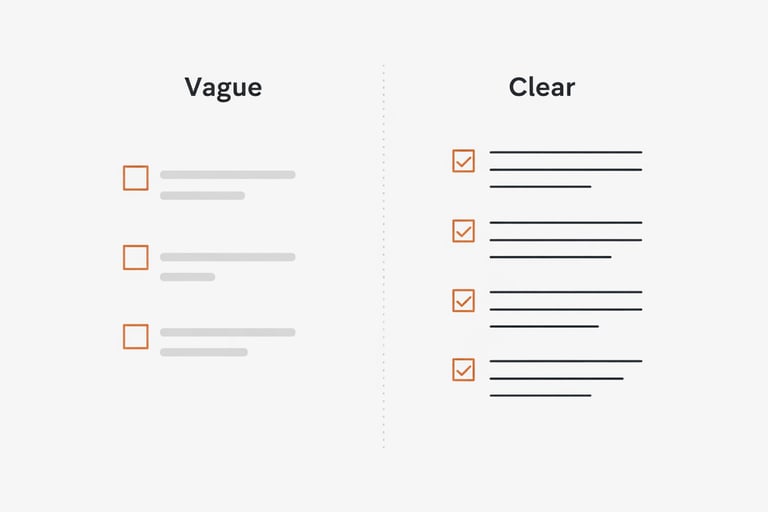
Reframe a pivot or non-linear path
Job fairs often include students who are changing direction. Maybe they worked in retail and now want an office role. Maybe they have healthcare experience and want to move into administration. Maybe they are shifting from military or manufacturing into business, education, or technology support. The point is to position as a strong candidate for the target role without erasing that background.
Try this:
Write a strong summary
Students with substantial experience often need help writing a summary that sounds confident without sounding inflated, which humans are surprisingly bad at.
Try this:
Tailoring For The Actual Job Fair
A master resume is useful, but it is not the final version students should bring everywhere unchanged. They should learn to tailor it for the kinds of employers they expect to meet.
That does not mean rewriting the entire document every time. It means adjusting the summary, highlighting the most relevant bullet points, and being honest about gaps.
Try this:
What Teachers Should Emphasize
AI can be a strong starting point, but it still needs a human pass. Without thoughtful editing, it can make students sound generic, exaggerated, or not quite like themselves.
A few good rules for students:
Only include experiences they can explain in an interview.
Keep details truthful.
Use AI to clarify and strengthen, not invent.
Read every line out loud before using it.
Revise until it sounds like a real person, not a robot wearing a blazer.

Final Thought
For many students, job fairs are stressful because they feel unprepared before they even walk in. A good resume does not come from having the perfect background but rather from understanding what experience counts and how to connect it to the jobs students actually want. AI can help with that process, and for students who are not sure where to begin, that can make a real difference.
Used well, these prompts give students a stronger starting point and a more realistic sense of what they bring to the table. And that alone can help them walk into a job fair a little more prepared and a lot less intimidated.